Cleaning Engineered Hardwood Floors
A real wood veneer over a layered core. It looks like solid hardwood and it tolerates moisture far worse, which makes controlled cleaning the whole job.
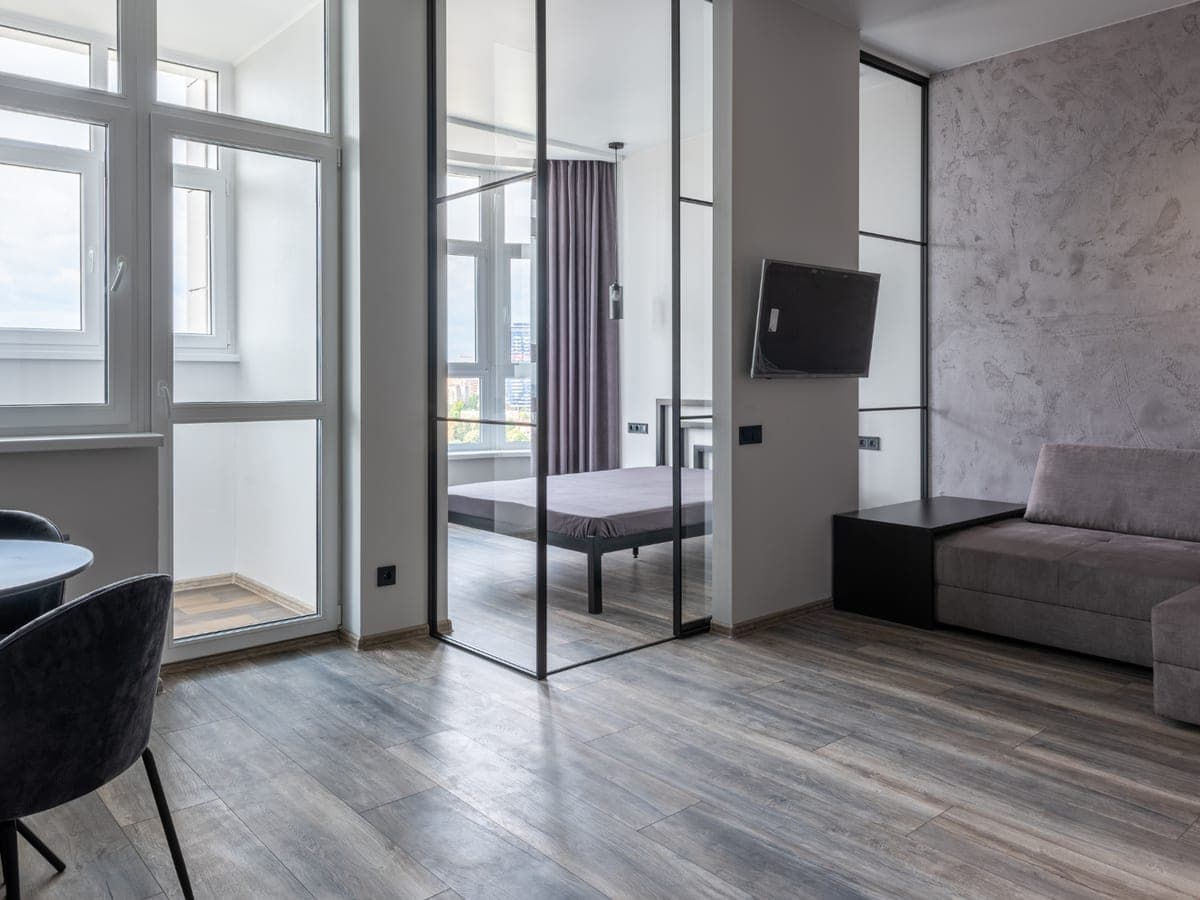
Engineered hardwood is in most homes built or renovated in the last twenty years, and it gets cleaned as though it were solid wood because it looks exactly like solid wood. It isn't. The construction underneath changes what's safe to do on top, and the difference matters most when water is involved.
The advice that's fine for solid wood and wrong here
Most hardwood cleaning advice online is written about solid wood, and the wetter techniques in it are survivable on a three-quarter-inch plank of oak. On an engineered board with a two-millimeter veneer over plywood, the same wet mop is working a few hundredths of an inch above a glue line. That's the risk that doesn't get mentioned.
Steam is the clearest example. Steam mops push hot vapor into the surface under pressure, and on engineered flooring that vapor reaches the adhesive bonding the veneer to the core. Repeated over months it softens the bond and the veneer can lift or bubble at the edges. Almost every steam mop carries a warning about this, and almost nobody reads it.
The other frequent mistake is aggressive scrubbing on a worn spot. Because the wear layer is so thin, abrasive pads and melamine sponges have far less margin here than on solid wood. On a thin-veneer floor you can go through the finish and into the veneer in one enthusiastic afternoon, and unlike solid wood there's no sanding your way out of it.
On a thin-veneer engineered floor, the finish it has now is the only finish it will ever have. There's nothing to sand back to.
What's actually under the surface
An engineered board is a sandwich. The top is real hardwood, typically between 0.6mm and 4mm thick, and that veneer is bonded to a core of plywood or high-density fiberboard. The layered core is genuinely an improvement in one respect, because cross-laid plies resist the seasonal expansion and contraction that makes solid wood gap in winter. That stability is why engineered flooring works over concrete slabs and in basements where solid wood can't go.
The tradeoff is at the glue line. Water that gets past the finish and reaches the adhesive is a structural problem, not a cosmetic one, and it shows up as delamination, edge swelling, or a veneer that bubbles away from its core. Solid wood in the same situation swells and often flattens back out. Engineered wood doesn't come back, because what failed was a bond and not a board.
Wear-layer thickness also decides your whole repair strategy. A 4mm veneer can be sanded once, maybe twice, in its life. A 0.6mm veneer can't be sanded at all.
So for a large share of engineered floors, the finish currently on them is the only finish they will ever have, and maintaining it is the only option on the table.
Cleaning to the wear layer, not through it
Everything about our process is built around not putting free water on a floor, which happens to make it a good match for engineered flooring. The machine meters solution, works it, and recovers it in the same pass. There's no bucket, nothing pools at a board edge, and nothing gets left to find its way down to a glue line.
Before we start we identify the floor and, where we can, get a read on the wear layer. That determines how much agitation is appropriate. On a thin-veneer floor we go gentler and let chemistry and dwell time do the work. That takes longer, and it doesn't spend a wear layer you can never replace.
The protective coat matters more here than anywhere else. On a floor that can't be sanded, a maintenance layer that takes the daily abrasion instead of the factory finish is the difference between a floor that lasts its full service life and one that needs replacing early. That's the honest economic case for it on engineered wood, and it's stronger than it is on solid.
We walk through the full moisture-controlled process on our how hardwood floor cleaning works page, and every job is backed by our 100% satisfaction guarantee.
Frequently asked questions
Can engineered hardwood be wet cleaned at all?
It can be cleaned with controlled moisture, which is different from wet cleaning. The distinction is whether liquid is ever left standing on the surface. Our process puts down a measured amount and takes it back up in the same pass, so the floor is damp for seconds instead of minutes and nothing reaches the seams.
How do I know if my floor is engineered or solid?
Look at a cut edge, usually at a floor vent or a doorway threshold. Solid wood shows the same grain all the way through the thickness. Engineered shows distinct layers, like plywood, with a thin hardwood cap on top. Installation over a concrete slab or in a basement is also a strong hint, since solid wood usually isn't installed that way.
Is the protective coat safe on engineered floors?
Yes, and it's arguably more valuable here than on solid wood. It bonds over the existing factory finish and takes daily wear in its place. On a floor with a thin wear layer that can never be sanded, protecting the original finish is the main thing standing between you and early replacement.
My engineered floor is bubbling at the edges. Can you fix that?
No. Edge bubbling or lifting means moisture reached the adhesive and the veneer has debonded from the core. That's a structural failure, not a surface one, and the affected boards need replacing. Cleaning won't reverse it, and we'd rather tell you that than take the job.
Related hardwood floor problems we solve
Bamboo floors
A grass, not a hardwood, and bonded with adhesive throughout. It needs gentler chemistry than oak does.
ProblemCloudy or hazy floors
The milky film left behind by mop-and-shine products, one coat at a time. It comes off without sanding.
DecisionClean or refinish?
Three tests you can run yourself to find out which trade you need before anyone quotes you.
See the grain you paid for
Enter your zip code to reach your local Safe-Dry® team. We clean and protect hardwood across 532 locations in 6 states, with same-day appointments in most areas.