Cleaning Bamboo Floors Without Damaging Them
Harder than oak on the surface and more sensitive underneath. Bamboo is a grass held together with adhesive, and both facts change how it should be cleaned.
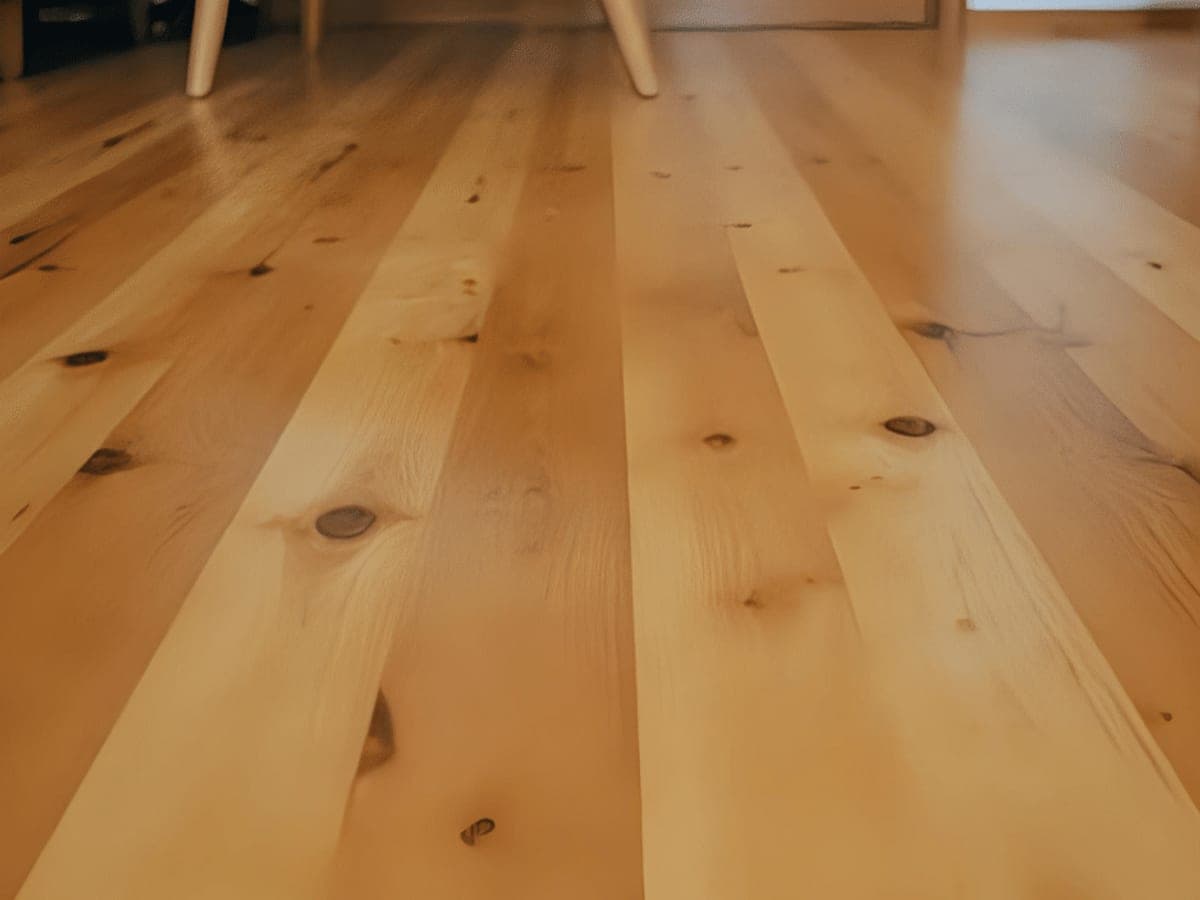
Bamboo gets sold on hardness, and the numbers are real. Strand-woven bamboo tests harder than red oak by a wide margin. What doesn't come up at the showroom is that hardness and moisture tolerance are unrelated properties, and bamboo is fussier about water than the oak it's compared to.
Why bamboo-specific matters more than it sounds
Because bamboo feels tough underfoot, it tends to get cleaned confidently. Wetter mop, stronger cleaner, more pressure. Surface hardness genuinely resists dents and scratches better than most hardwoods, and that success on the surface encourages habits that are working against the material below it.
Alkaline and general-purpose cleaners are the specific hazard. Bamboo finishes tend to be less forgiving of high-pH chemistry than a thick polyurethane on oak, and the damage shows up as blotchy, permanently flat patches instead of an obvious immediate reaction. By the time it's visible it's been happening for months.
The other one is sunlight, which isn't a cleaning issue but gets blamed on cleaning. Bamboo, especially carbonized bamboo, fades and shifts color under UV faster than most hardwoods. Homeowners move a rug, find a distinct rectangle of original color underneath, and assume a cleaner bleached the exposed floor. It didn't. The covered part just stayed the color it started.
It isn't wood, and the differences are practical
Bamboo is a grass. There's no growth-ring structure and no continuous grain running the length of a board. Instead, bamboo flooring is manufactured by slicing or shredding stalks and bonding the pieces back together under pressure with adhesive.
Horizontal and vertical bamboo use visible strips. Strand-woven bamboo shreds the fibers and compresses them into a dense composite, which is where the very high hardness numbers come from.
That means adhesive is present throughout the board, not just at a single glue line the way it is in engineered wood. Moisture that gets into the material has more places to do harm, and swelling tends to show as irregular cupping or separation between strips, not the clean board-edge lift you get on engineered wood.
Bamboo also moves more with humidity swings than its hardness suggests. It absorbs and releases moisture readily, so it expands in humid months and contracts in dry ones, and that seasonal cycling is why bamboo installations are so specific about acclimation and expansion gaps. Adding water during cleaning adds to a cycle that's already working the floor.
A gentler process for a harder floor
We don't treat bamboo as a hardwood variant. It gets its own category. The solution is pH-neutral, chosen specifically to avoid the alkaline exposure that dulls bamboo finishes, and it's applied in a measured amount and recovered in the same pass so the material's moisture content barely moves during the visit.
Agitation is dialed back too. Strand-woven bamboo has a very hard surface, but the finish on top of it is a normal floor finish with normal wear limits, and the hardness of the substrate doesn't protect the coating. We lean on dwell time and chemistry instead of mechanical aggression, the same logic we apply to thin-veneer engineered floors.
The protective coat is applied the same way and does the same job, taking daily wear in place of the factory finish. Most bamboo can't be sanded and refinished the way solid oak can, particularly strand-woven, so as with engineered flooring, preserving what's on the floor now is the practical long-term strategy.
We walk through the full moisture-controlled process on our how hardwood floor cleaning works page, and every job is backed by our 100% satisfaction guarantee.
Frequently asked questions
Can bamboo floors be damaged by regular mopping?
Over time, yes, more than most people expect from a floor that feels this hard. Bamboo takes on and releases moisture readily, and repeated wet mopping adds to a seasonal expansion cycle that's already stressing the boards. Damp microfiber with a pH-neutral cleaner is the safe routine, and a dripping mop is not.
My bamboo floor faded where a rug was. Can cleaning even that out?
No, and it isn't damage. Bamboo shifts color under UV exposure faster than most hardwoods, so the covered area kept its original tone while the exposed area changed. Nothing was bleached and nothing was damaged. The two areas will usually converge over months once both are exposed to the same light, but no cleaning process speeds that up.
Is strand-woven bamboo cleaned differently from regular bamboo?
The chemistry is the same, and the moisture control is the same. Strand-woven is far denser and resists denting better, but the finish on top is what gets cleaned in either case, and finishes wear the same regardless of what's underneath them. Where it does matter is repair, since strand-woven is the hardest type to sand and refinish.
What cleaner should I use between professional visits?
Something labeled pH-neutral and safe for bamboo specifically. Avoid anything alkaline, anything marketed as a degreaser, and anything that promises shine, since that last category is what creates the buildup we get called about. Dry sweeping frequently and damp cleaning rarely is the right ratio.
Related hardwood floor problems we solve
Engineered hardwood
A thin real-wood veneer over a glued core. Moisture control isn't a preference here, it's the whole job.
ProblemSticky or tacky floors
Tacky floors are leftover soap that never got rinsed. It grabs dust and gets worse in humid weather.
ProblemDull floors, no shine
Sheen that's flattened out from residue, wear, or both. We test which one you have before quoting anything.
See the grain you paid for
Enter your zip code to reach your local Safe-Dry® team. We clean and protect hardwood across 532 locations in 6 states, with same-day appointments in most areas.