White Rings and Water Spots on Hardwood Floors
Color is the diagnosis. White marks are trapped moisture inside the coating. Dark marks are moisture that already reached the wood.
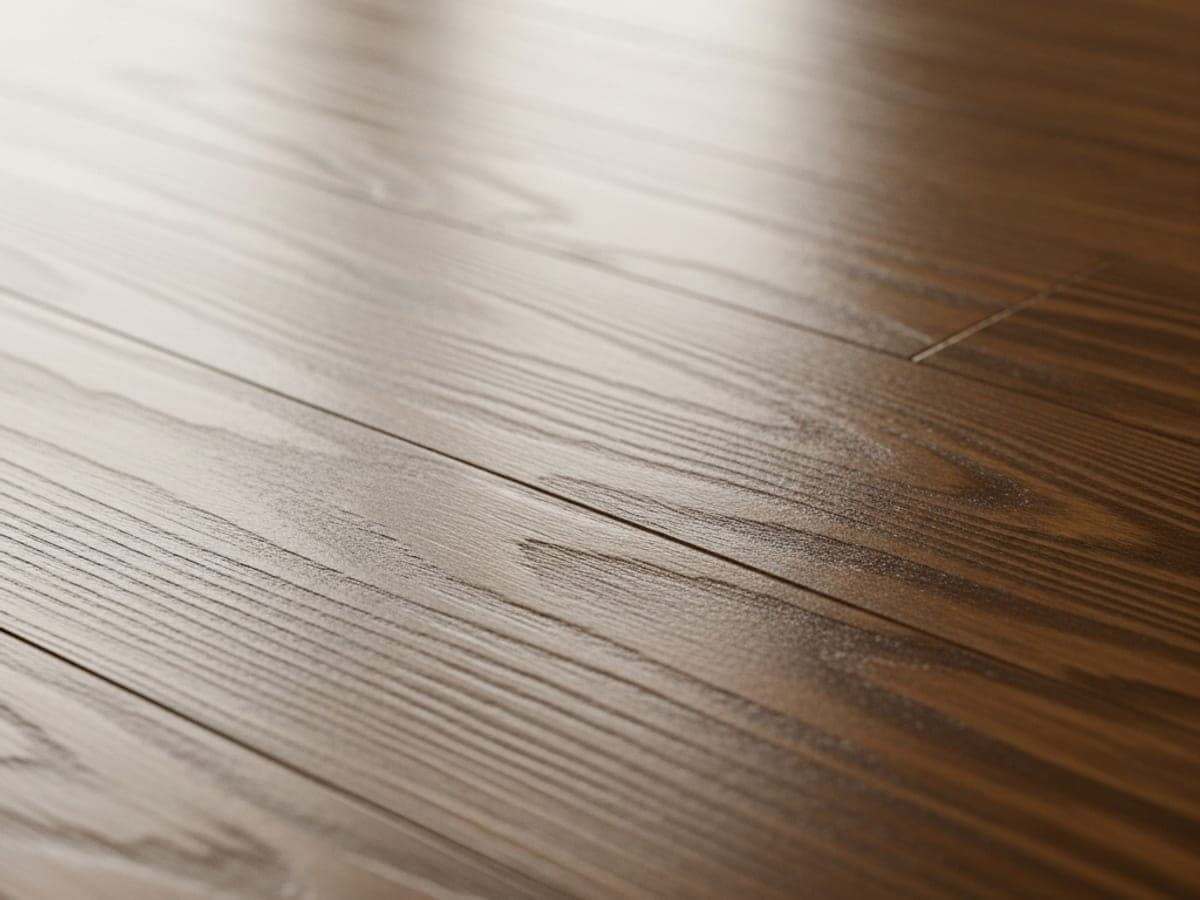
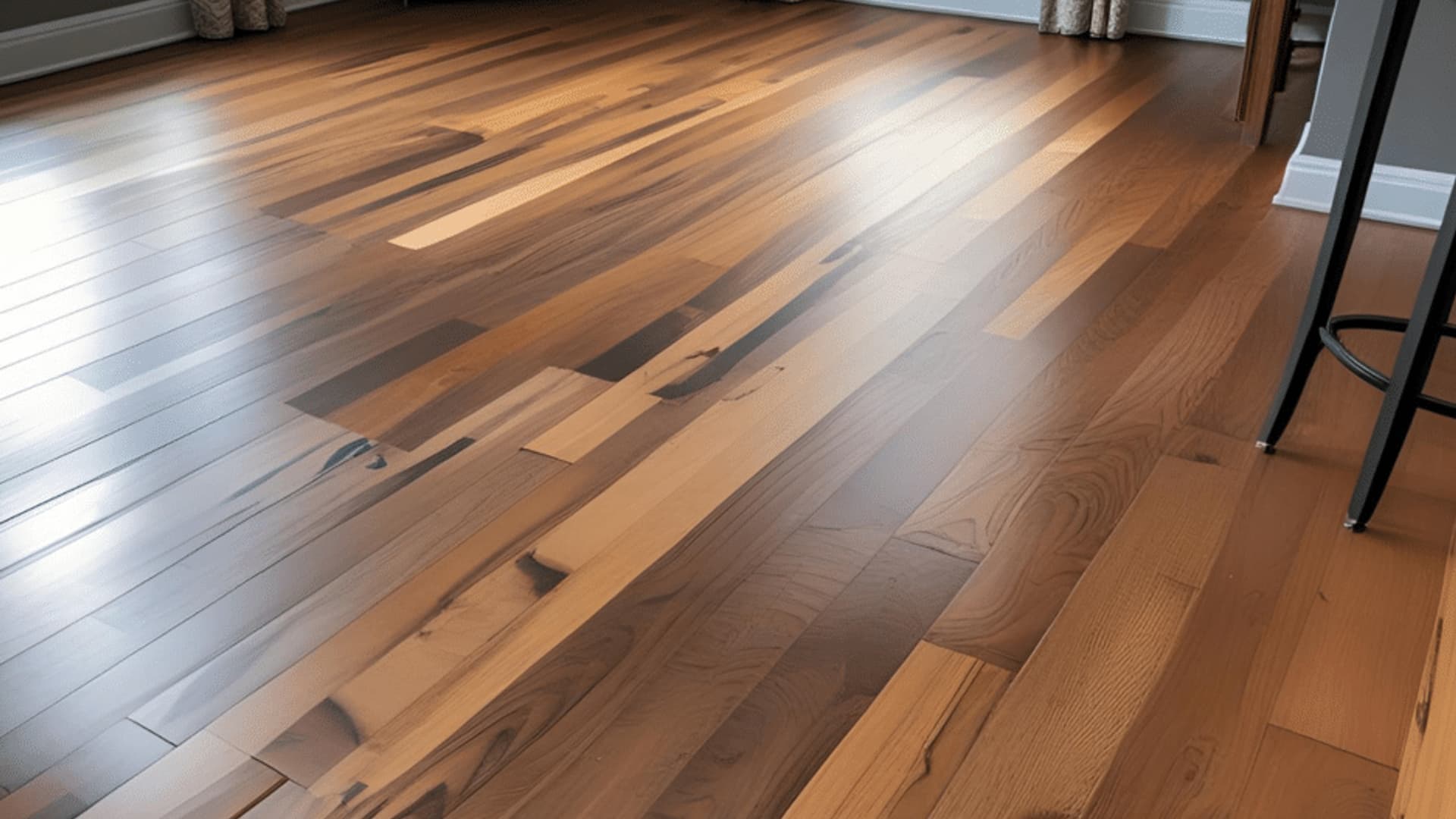
Water marks on hardwood come in two colors, and the color tells you almost everything you need to know about your odds. White or cloudy means the moisture is stuck in the finish layer. Dark or black means it went through the finish and into the wood. The first is often recoverable. The second usually isn't.
The home remedies, and which one is genuinely dangerous
The internet's favorite fix for a white ring is an iron and a towel, and it does work sometimes, on the specific case of shallow blush in an intact finish.
It also scorches finishes, melts polyurethane, and leaves a permanent dull patch shaped like the bottom of an iron. The success stories get shared and the ruined coffee tables don't.
Mayonnaise, petroleum jelly, and the various oil-based remedies work on a different principle. They slowly displace trapped moisture with oil, which changes the refractive index enough to make the cloudiness disappear. On a small mark on furniture that's fine. On a floor it leaves a greasy patch that collects dirt and repels any coating you later try to apply over it, and we've had to strip more than a few of these.
Sanding a spot by hand is the worst of the options, because it removes finish in one small area and leaves a dull, unprotected patch that stands out more than the mark did, and now that spot has no barrier at all against the next spill.
Never put an iron on a hardwood floor. It works often enough that people recommend it, and fails badly enough that we've had to send those floors to a refinisher.
White versus dark, and why it matters so much
A white mark is called blush. Moisture worked its way into the finish layer, usually because something wet sat on the floor long enough for the coating to absorb it, and the water is now suspended as microscopic droplets inside the coating. Those droplets scatter light, and scattered light reads as white. The wood underneath is untouched and its color hasn't changed at all. Get the moisture back out of the coating and the mark disappears.
A dark mark means the moisture didn't stop at the finish. It got into the wood, where it reacted with tannins and often with iron from a planter, a pot, or a nail, producing the gray-black discoloration you see. That's a chemical change in the wood fiber itself, several layers below anything a cleaner can reach. Cleaning won't touch it and neither will a coating.
Location tends to tell you what happened. Planter rings and pet bowl marks sat for weeks or months and are usually dark. A dropped glass or a wet boot left an hour is usually white. A dishwasher or fridge leak that ran under the floor is its own category, because the water came from below and the boards will often cup as well as stain.
How Safe-Dry® brings it back
For white blush, the approach is to open the finish just enough to release the trapped moisture and then let it out under controlled conditions, without saturating anything. This works on a meaningful share of white marks, particularly recent ones. Older blush that's been in the coating for years is less reliable, and we'll set that expectation before we start, not after.
For everything else in the room, the marks are usually not the only issue. Floors with visible water spotting have almost always been cleaned around rather than cleaned, so the general surface has accumulated residue that makes every mark look worse by contrast. A full deep clean plus the protective coat often reduces how much a remaining mark stands out, simply because the floor around it stops being dull.
For dark rings, we say the honest thing. That's sanding and refinishing territory, and even then the board may need replacing if the reaction went deep. We don't sand, we don't refinish, and we won't take money for a cleaning that we already know won't move it.
We walk through the full moisture-controlled process on our how hardwood floor cleaning works page, and every job is backed by our 100% satisfaction guarantee.
Frequently asked questions
Can you remove the white ring from under my plant stand?
Often yes, as long as it's white and not dark. White means moisture is trapped in the finish and the wood underneath is fine, and that's frequently recoverable. Success is better on recent marks than on ones that have been there for years, and we'll give you a realistic read at the walkthrough instead of a guarantee up front.
What about the black ring where my dog's water bowl sat?
That one's a refinishing job, unfortunately. Black staining is a reaction between moisture, tannins, and usually iron, and it lives down in the wood fiber, well below anything a cleaner reaches. Cleaning improves everything around it but won't lift it. Sanding sometimes does, and sometimes the board still comes out darker than its neighbors.
My boards are cupped around a spill. Can that be cleaned?
Cupping is a moisture problem in the boards themselves, where the edges have swelled higher than the center. It's a wood-movement issue, not a cleaning one. Sometimes boards flatten back out over months once the source is dry, and sometimes they don't. Either way it needs to dry fully before anyone puts a coating over it.
How do I stop new water marks?
Felt pads and coasters under anything that holds water, wipe spills the day they happen instead of the week they happen, and keep a mat under pet bowls. The protective coat we apply also gives spills a bit more time before they can reach the finish, which matters most for the ones you don't notice right away.
Related hardwood floor problems we solve
Pet stains & odor
Urine that reached the seams before anyone noticed. We diagnose the stage first, then tell you what's recoverable.
DecisionClean or refinish?
Three tests you can run yourself to find out which trade you need before anyone quotes you.
RoomsKitchen floors
Cooking grease plus foot traffic. The darkest, dullest boards in the house are almost always in front of the range.
See the grain you paid for
Enter your zip code to reach your local Safe-Dry® team. We clean and protect hardwood across 532 locations in 6 states, with same-day appointments in most areas.